The 1979 Buick Riviera stands out as a truly unique chapter in the storied history of American personal luxury coupes—and in the broader muscle car narrative. While the golden age of raw, big-block muscle had largely faded by the late 1970s due to emissions regulations, fuel crises, and downsizing, the ’79 Riviera brought a fresh, forward-thinking approach that blended luxury, innovative engineering, and a surprising performance edge.
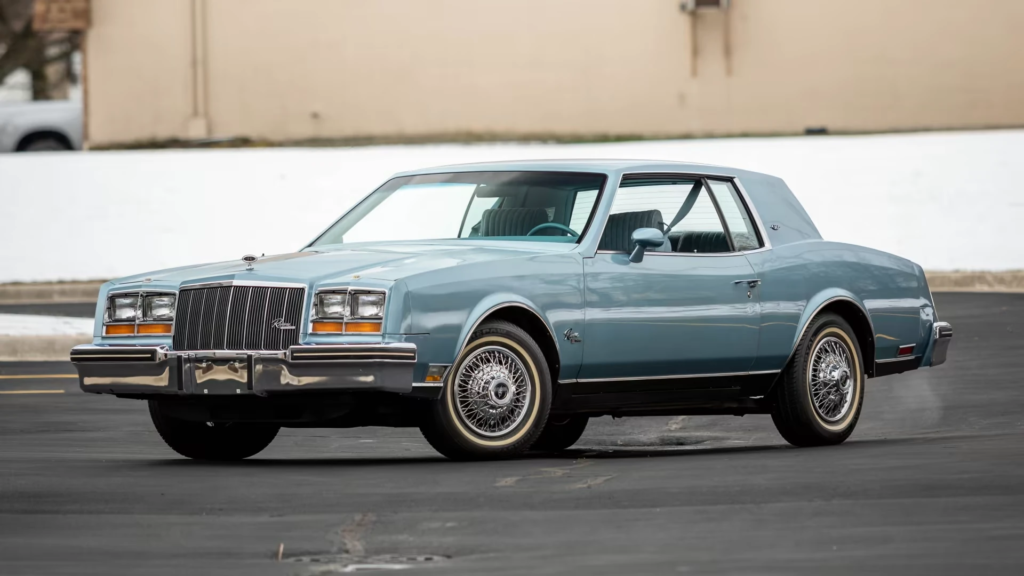
This model marked a complete redesign and a major shift: it was the first Riviera to adopt front-wheel drive (FWD), sharing the new GM E-platform with the Cadillac Eldorado and Oldsmobile Toronado. This transitioned the Riviera from its previous rear-wheel-drive roots (and the bloated B-body platform of 1977–1978) to a more compact, efficient package. The wheelbase shrank to 114 inches, overall length dropped to about 206 inches, and curb weight hovered around 3,770 pounds—making it noticeably nimbler than its predecessors.
What truly sets the 1979 Riviera apart—and earns it a place in discussions of “unique muscle cars”—is its optional (and for the sporty variant, standard) turbocharged 3.8-liter (231 cu in) Buick V6 engine. Producing 185 horsepower and 280 lb-ft of torque (with a four-barrel carburetor and optimized exhaust for the FWD layout), this engine was a technological pioneer. It delivered respectable acceleration for the era: 0-60 mph in around 9.5–10.9 seconds and quarter-mile times in the high 17s, figures that outpaced many contemporary luxury coupes and even some imports like the Mercedes-Benz 280CE.
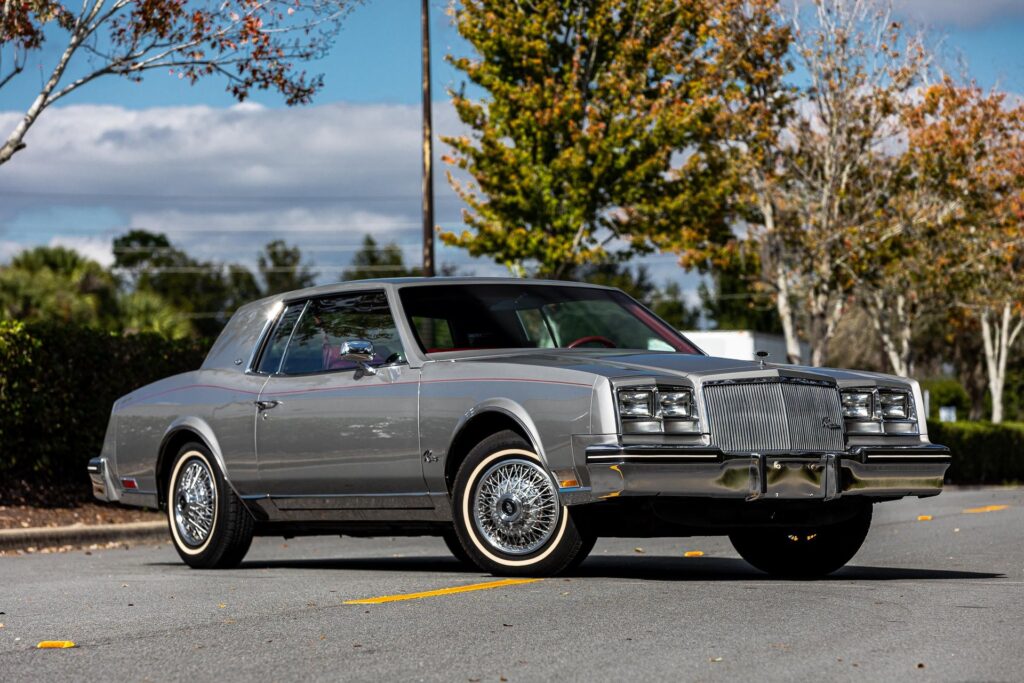
The turbo V6 foreshadowed Buick’s legendary turbocharged era, later powering icons like the Regal Grand National. In 1979, it offered more peak power than the standard 5.7-liter (350 cu in) Oldsmobile V8 (rated at 155–170 hp, depending on tuning and region), while promising better fuel efficiency amid sky-high gas prices.
The sportiest expression came in the Riviera S-Type, a performance-oriented trim that made the turbo V6 standard (with the V8 as a $110 delete option). It featured a “Rallye” suspension with stiffer shocks, heavier sway bars, torsion bars, quicker-ratio steering, and larger GR70-15 tires for sharper handling and reduced understeer. Bucket seats, a center console, sport steering wheel, and a firmer ride gave it a more engaging feel—enough that Motor Trend named the redesigned Riviera its Car of the Year for 1979, praising its blend of sophistication and road manners. Sales more than doubled to 52,181 units, with around 7,150 S-Types built (many with the turbo).
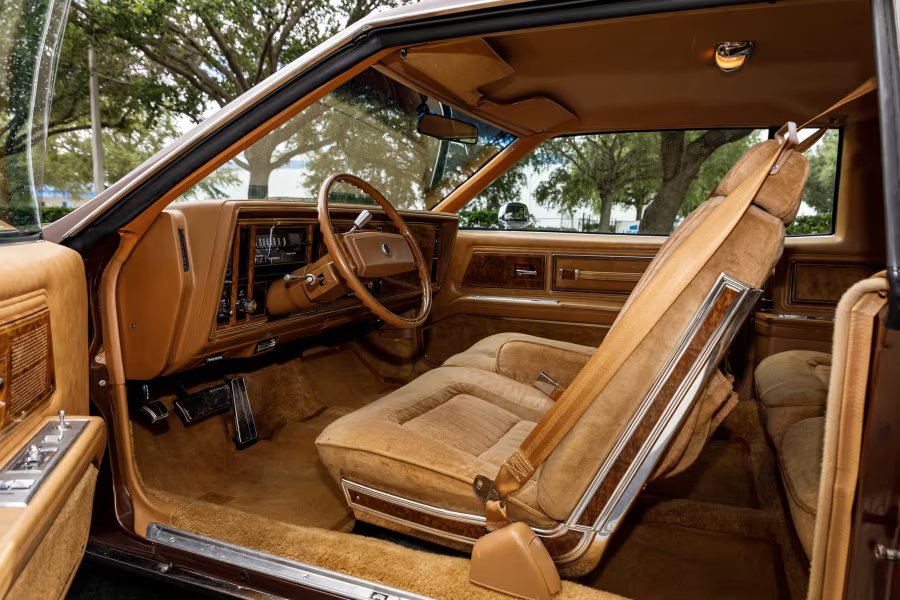
Styling was crisp and elegant: a raked-back front end, vertical-bar grille, quad headlights, full wheel openings, sweeping quarter panels, and a squared-off roofline. Options like padded Landau tops, power sunroofs (including the glass Astroroof), four-wheel disc brakes, digital Trip Monitor instruments, and luxurious interiors (with 45/55 seating, power adjustments, leather, and burled walnut trim) reinforced its personal luxury status.
In an era when true muscle cars were becoming memory, the 1979 Riviera offered something different: turbocharged thrust in a refined, front-drive package that prioritized comfort and innovation over brute force. It wasn’t a tire-shredding drag-strip king like the muscle cars of the 1960s, but its advanced tech, award-winning design, and spirited S-Type variant make it a uniquely forward-looking “muscle” luxury coupe—one that helped bridge the gap to the performance revival of the 1980s.
These images capture the elegant lines, distinctive grille, and sporty stance of the 1979 Riviera (including S-Type examples), highlighting why it remains a standout in Buick’s lineup.