By 1977, the American automobile was at a crossroads—and so was the Ford Thunderbird.
Once a sleek personal luxury coupe born in the optimism of the 1950s, the Thunderbird had survived muscle car wars, cultural revolutions, and now, the aftermath of the 1970s oil crisis. The 1977 Ford Thunderbird didn’t roar like its ancestors—but it whispered something just as important: comfort, survival, and quiet prestige in uncertain times.
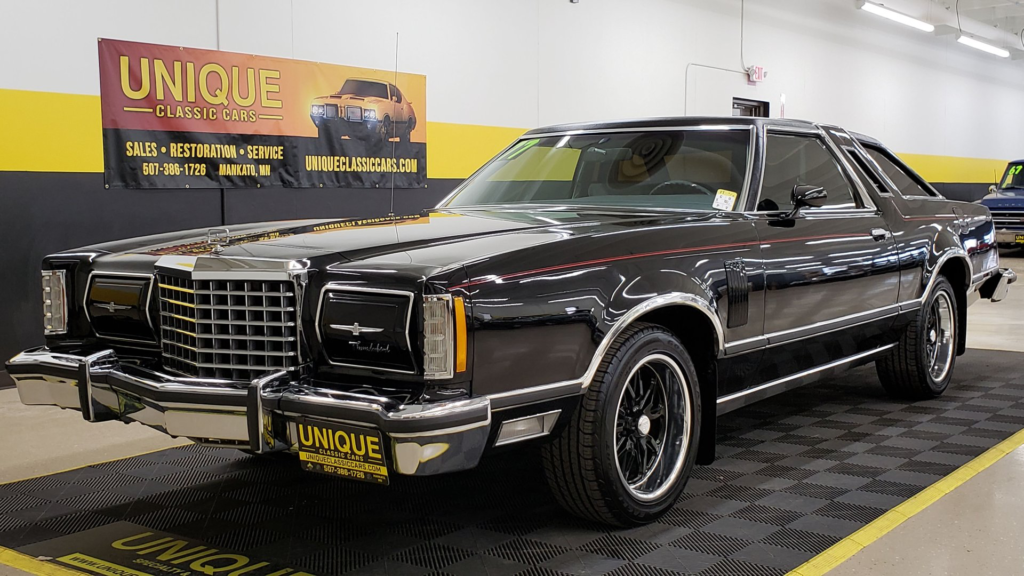
A Car Shaped by Its Era
The mid-1970s were not kind to big engines or flashy excess. Emissions regulations tightened. Fuel prices soared. Buyers wanted luxury—but without guilt at the gas pump. Ford responded by reimagining the Thunderbird not as a performance machine, but as a personal luxury cruiser.
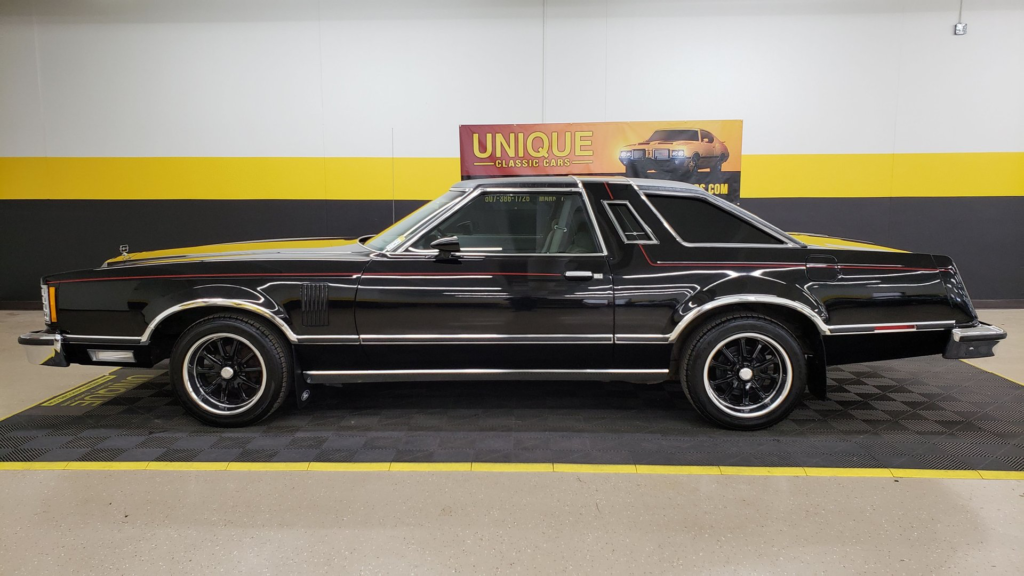
The 1977 Thunderbird shared its platform with the Ford LTD II, making it more practical and slightly smaller than earlier models—yet it still looked unmistakably upscale. Long hood, formal roofline, opera windows, and a wide stance gave it presence, even when parked.
This Thunderbird wasn’t about racing—it was about arriving.
Special Features That Defined the 1977 Thunderbird
1. The “Personal Luxury” Philosophy
Ford leaned fully into comfort. The 1977 Thunderbird offered:
- Deeply cushioned seats (often velour or optional leather)
- Plush carpeting
- Simulated woodgrain dashboard trim
- Power windows, power seats, and cruise control
This car was designed for long highway drives, soft conversations, and smooth jazz on the AM/FM stereo.
2. Engine Options: Calm Over Chaos
Performance took a back seat—but reliability and smoothness didn’t.
Engine choices included:
- 302 cu in (5.0L) V8
- 351 cu in (5.8L) V8
Horsepower numbers were modest by earlier standards, but the engines were tuned for quiet operation and torque, not speed. The automatic transmission emphasized smooth shifts over aggression.
This was a Thunderbird that glided instead of lunged.
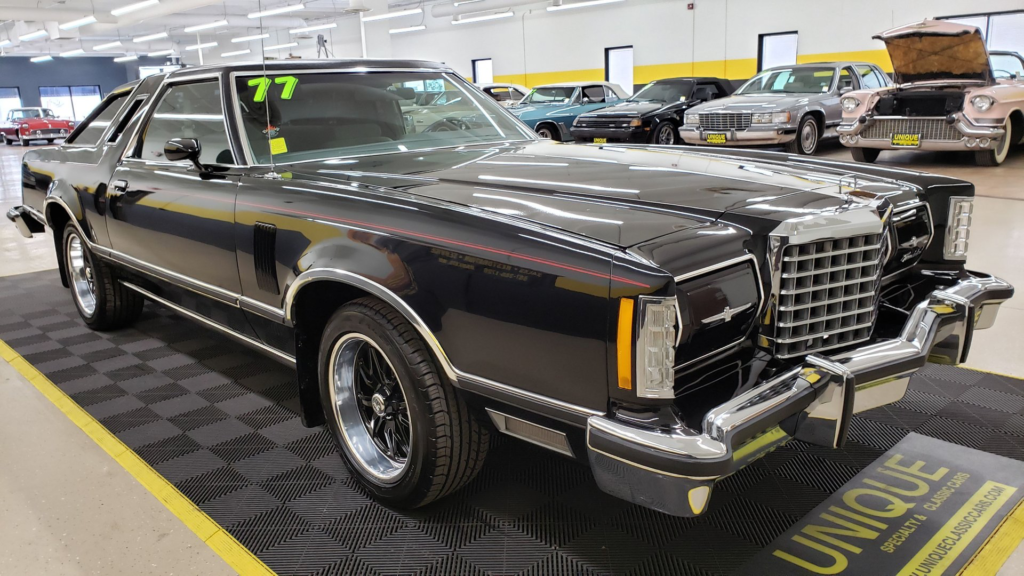
3. Distinctive Exterior Styling
Despite cost-cutting across the industry, Ford preserved the Thunderbird’s upscale identity:
- Hidden headlights (a Thunderbird signature)
- Wide chrome grille
- Opera windows with Thunderbird emblems
- Vinyl roof options in multiple colors
Color choices ranged from conservative silvers and creams to rich blues and burgundies—perfect for buyers who wanted subtle status.
4. Interior: A Rolling Living Room
Inside, the 1977 Thunderbird felt more like a lounge than a cockpit.
Highlights included:
- Optional split bench or bucket seats
- Thick steering wheel with padded hub
- Clear, driver-friendly instrument panel
- Climate control designed for comfort, not sport
Many owners remember the interior as the car’s strongest selling point—quiet, insulated, and indulgent.
Stories from the Road
For many Americans, the 1977 Thunderbird wasn’t a dream car—it was a reward.
It was bought after promotions, retirement milestones, or long years of work. It was driven to anniversary dinners, family vacations, and Sunday cruises. It carried newlyweds and later, grandkids.
Owners often describe it the same way:
“It wasn’t fast—but it felt important.”
In small towns, a Thunderbird parked in a driveway meant stability. In cities, it meant taste without flash. It was a car for people who wanted dignity more than dominance.
Legacy of the 1977 Thunderbird
Today, the 1977 Ford Thunderbird stands as a symbol of adaptation.
It represents:
- How American automakers survived the fuel crisis
- The shift from performance to comfort
- A moment when luxury meant peace and quiet
Collectors may not chase it for raw power, but enthusiasts appreciate it for what it is—a time capsule of 1970s America, wrapped in chrome and vinyl.
Final Thought
The 1977 Thunderbird didn’t try to be a muscle car.
It didn’t pretend to be something it wasn’t.
Instead, it told a quieter story—of resilience, refinement, and the enduring appeal of personal luxury in a changing world.