In the midst of the 1970s oil crisis, when American automakers were grappling with fuel efficiency mandates and downsizing pressures, Lincoln decided to double down on unapologetic excess with the 1976 Continental Mark IV. This was the final model year for the Mark IV, a colossal personal luxury coupe stretching over 19 feet long—longer than many modern SUVs—and weighing in at around 5,000 pounds. Powered by a massive 460-cubic-inch V8 engine that guzzled gas at about 10 miles per gallon, it epitomized the era’s “bigger is better” ethos, complete with hidden headlights, a faux spare tire hump on the trunk (the signature “continental kit”), and oval-shaped opera windows that became a hallmark of luxury. But what made the 1976 edition truly fascinating was Lincoln’s bold pivot to high fashion: the introduction of the Designer Series, a pioneering collaboration with world-renowned style icons to create ultra-exclusive variants. This wasn’t just a car; it was rolling couture, blending automotive engineering with Parisian and New York glamour to appeal to affluent buyers seeking something beyond mere opulence.
The story begins in the early 1970s, when Lincoln executives, facing stiff competition from Cadillac, sought ways to elevate the Mark IV’s already lavish image. They turned to celebrity co-branding, a novel idea at the time, enlisting four legendary names from the fashion world: American designer Bill Blass, known for his timeless elegance; French couturier Hubert de Givenchy, favored by stars like Audrey Hepburn and Jackie Kennedy; Italian print maestro Emilio Pucci, famous for vibrant patterns; and the prestigious Parisian jeweler Cartier—the only non-clothing brand in the lineup. Launched on October 3, 1975, these special editions added a $1,500 to $2,000 premium over the base Mark IV’s $11,000 price tag (about $60,000 in today’s dollars), but buyers got bespoke touches like designer signatures etched into the opera windows, gold-plated dashboard emblems, and meticulously coordinated color schemes inside and out.
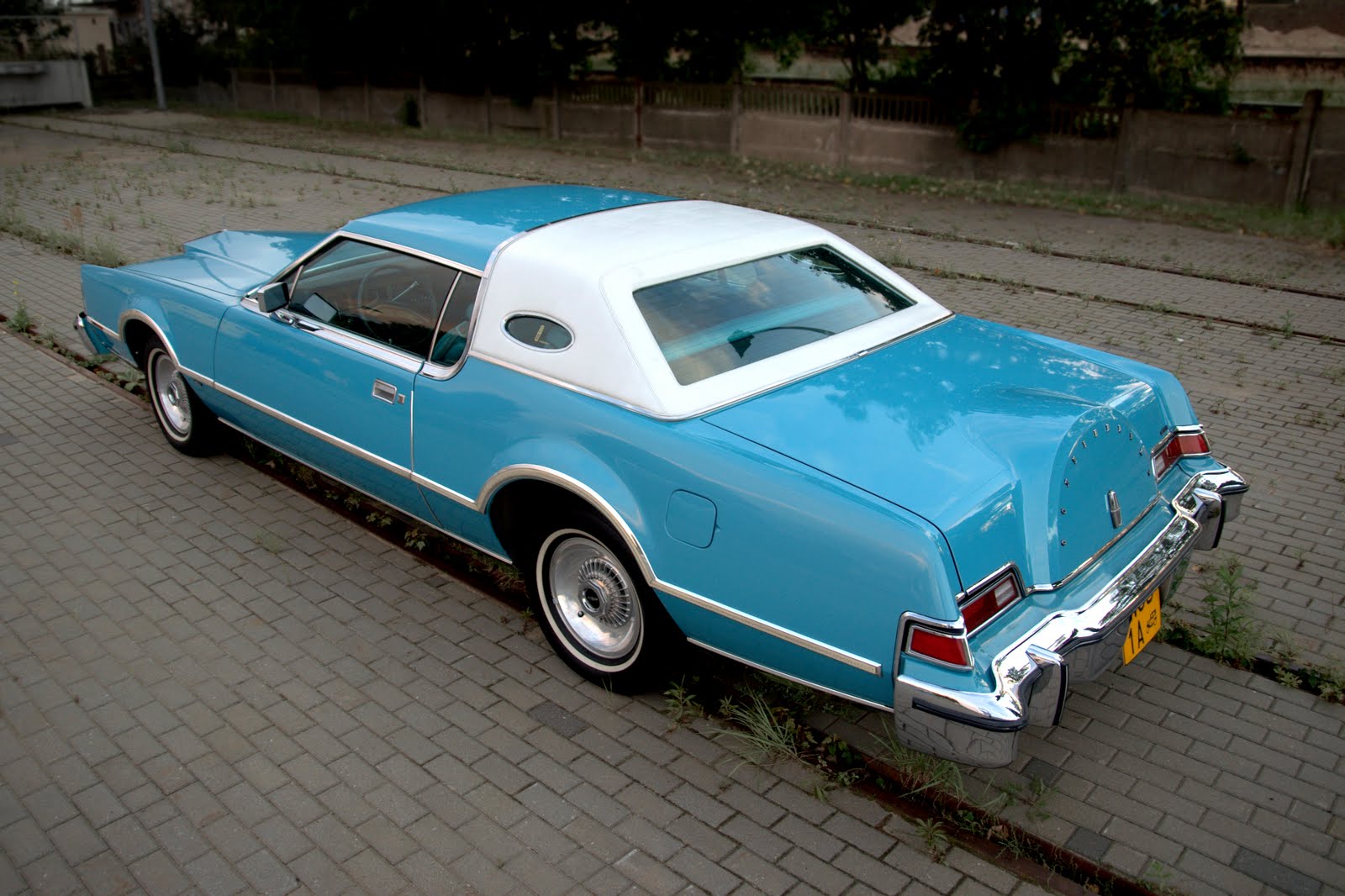
Take the Givenchy edition, for instance: It featured a striking Aqua Blue Diamond Fire metallic exterior with a crisp white vinyl roof, evoking the Riviera’s seaside sophistication. Inside, you could opt for Aqua Blue leather or velour upholstery, creating a serene, yacht-like cabin that screamed understated luxury. One owner anecdote recalls a grandfather’s Bill Blass model, with its Dark Blue exterior and cream landau top, always carrying the faint aroma of cigar smoke—a testament to how these cars became personal statements for the elite. The Pucci version stood out with its bold Dark Red Moondust Metallic paint and all-red interior, while the Cartier offered a more subdued Dove Grey theme that some jokingly credit (or blame) for inspiring today’s monotonous “triple grey” SUV palettes.
Here’s a glimpse of the Givenchy edition’s rear styling, showcasing that iconic continental kit and vinyl roof:
And the plush interior that made it feel like a mobile lounge:

The Designer Series was a smash hit, boosting sales and setting a precedent for future Lincoln models—the Cartier name even carried over to the Town Car until 2003. In an age of economic uncertainty, it proved that true luxury wasn’t about restraint; it was about indulgence, turning a gas-guzzling behemoth into a canvas for high fashion and leaving an indelible mark on automotive history.