Days later, Iran launched missiles at U.S. bases in Iraq.
In January 2020, the U.S. conducted a drone strike near Baghdad International Airport, killing Qasem Soleimani, a prominent Iranian general and commander of the Quds Force, a unit of Iran’s Islamic Revolutionary Guard Corps. The strike, ordered by President Donald Trump, was justified by the U.S. as a response to Soleimani’s alleged planning of attacks against American targets, citing imminent threats to U.S. personnel in the region.
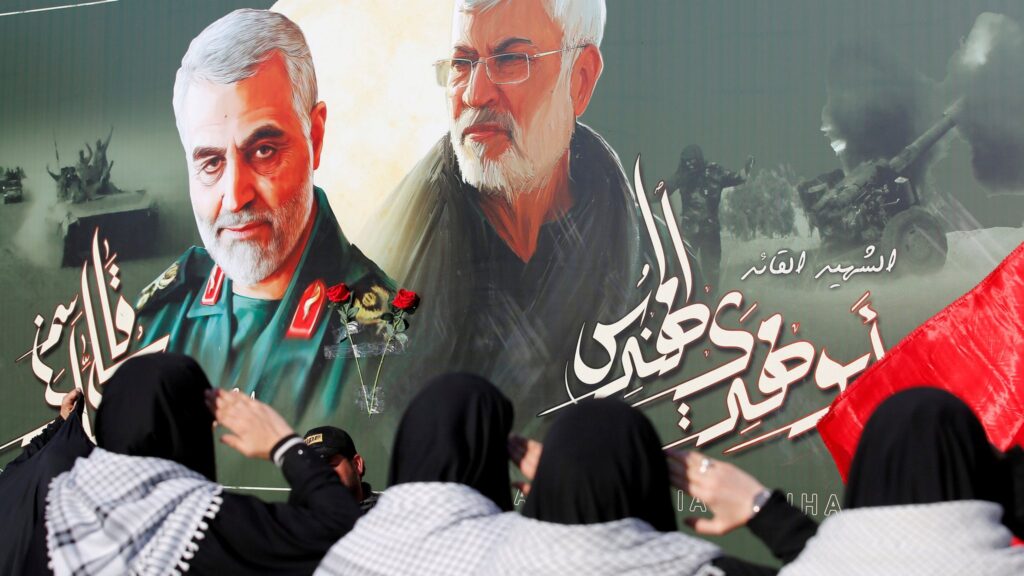
Soleimani was a key figure in Iran’s military strategy, overseeing operations across the Middle East and wielding significant influence in regional conflicts.Days later, on January 8, 2020, Iran retaliated by launching over a dozen ballistic missiles at two U.S. military bases in Iraq: Al Asad Airbase and a facility in Erbil. The attack, named Operation Martyr Soleimani, was Iran’s direct response to the killing, aimed at demonstrating its military resolve while avoiding a full-scale war. Iran notified Iraq of the impending strikes, which allowed U.S. and coalition forces to take defensive measures, resulting in no fatalities.
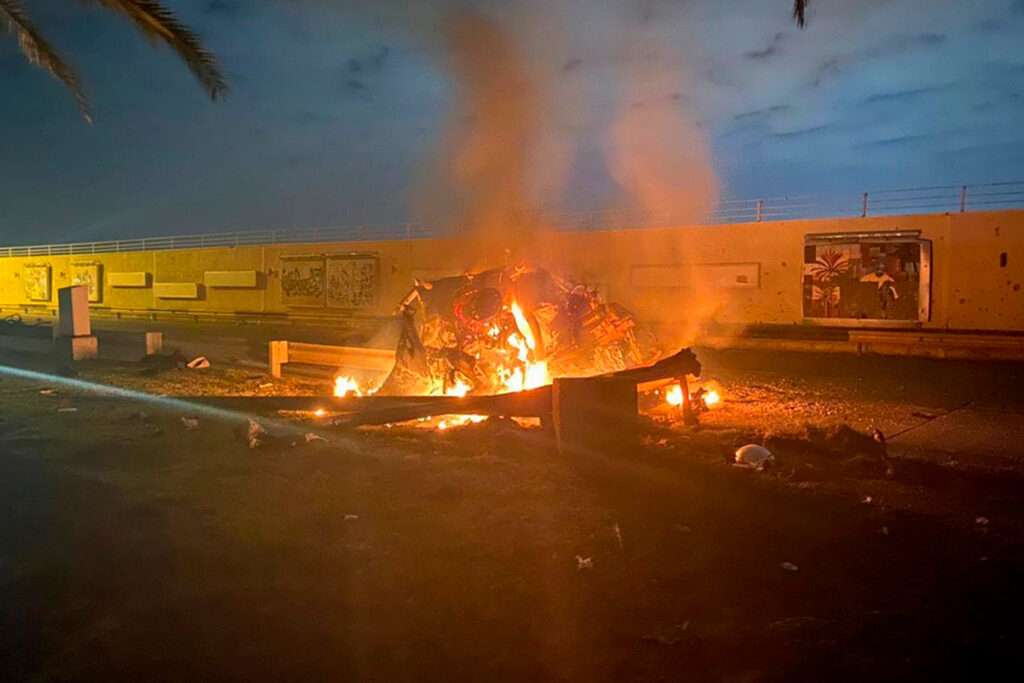
However, over 100 U.S. service members suffered traumatic brain injuries due to the blasts.The exchange escalated tensions between the U.S. and Iran, raising fears of a broader conflict. Both sides eventually de-escalated, with Iran signaling its retaliation was complete and the U.S. refraining from further immediate strikes. The event highlighted the volatile U.S.-Iran relationship, with Soleimani’s killing marking a significant flashpoint in their ongoing proxy conflicts across the Middle East.