In 1977, America was done with big cars.
Gas lines stretched for blocks. Fuel economy became a national obsession. Compact imports were suddenly cool. Detroit was being told—by regulators, critics, and consumers—to shrink or disappear.
Then Mercury released the Grand Marquis.
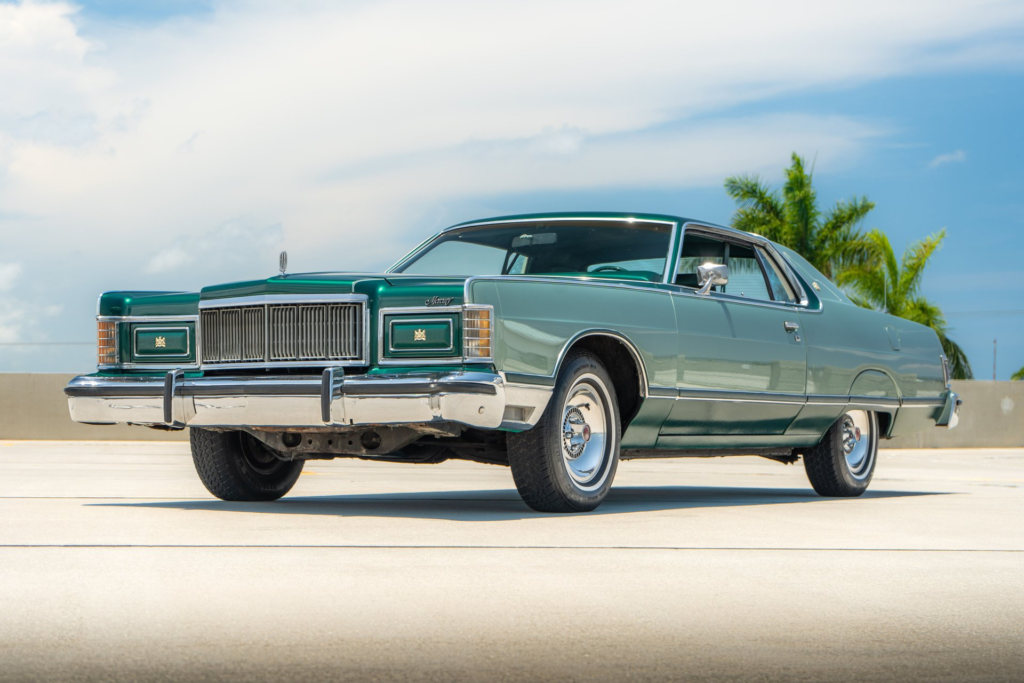
It was massive.
Chrome-heavy.
Built like it expected the future to come crashing into it.
And somehow… it survived.
A Car Born at the Worst Possible Time
The late 1970s were a death sentence for full-size American sedans. Downsizing wasn’t optional anymore—it was survival.
The 1977 Mercury Grand Marquis didn’t get the message.
It rode on Ford’s Panther platform, wearing a hood long enough to land a plane and a trunk that could hold an entire family’s luggage and their regrets. Under the hood sat a V8 that wasn’t fast, flashy, or efficient—but it was calm, smooth, and nearly impossible to kill.
Critics called it outdated on arrival.
History disagreed.
Overbuilt in an Era That Stopped Caring
What most people missed wasn’t how the Grand Marquis looked—it was how it was made.
This car had:
- Body-on-frame construction, the kind usually reserved for trucks
- Understressed V8 engines designed to last, not impress
- Simple mechanical systems that didn’t depend on fragile electronics
It wasn’t innovative.
It was durable.
And durability doesn’t trend—it waits.
The Cars That Died So It Could Live
As the ’80s and ’90s rolled on, flashier cars aged badly. Electronics failed. Lightweight components wore out. Rust ate thin steel.
Meanwhile, the Grand Marquis just kept going.
Taxi fleets quietly adopted them. Police departments trusted them. Families passed them down instead of trading them in. When one finally ended up in a junkyard, it often did so still running—donating parts to keep others alive.
It didn’t survive because it was loved.
It survived because it refused not to.
The Ghost of American Roads
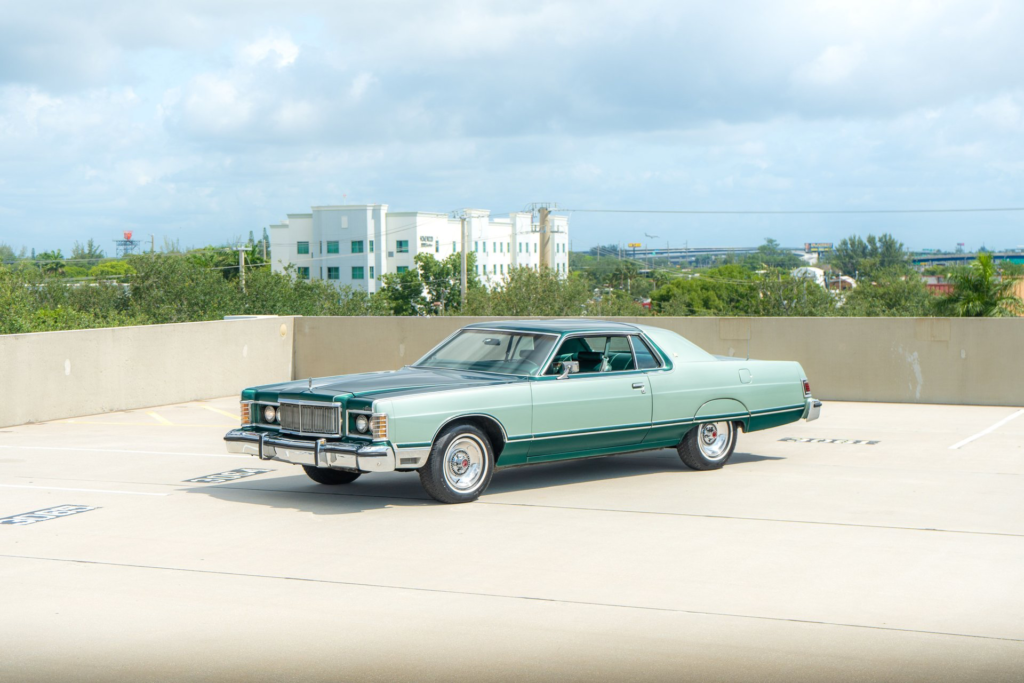
Today, spotting a 1977 Grand Marquis on the road feels like seeing a time traveler.
It floats instead of grips.
It hums instead of screams.
It doesn’t rush you.
Every surviving example is proof that some cars weren’t built for market trends—they were built for time.
Collectors now hunt clean survivors not because they’re exotic, but because they represent something we’ve lost: a moment when cars were allowed to be unapologetically comfortable, brutally overbuilt, and patient.
Why the 1977 Grand Marquis Matters Now
In an era of disposable technology, subscription features, and planned obsolescence, the 1977 Mercury Grand Marquisstands as a quiet rebellion.
It wasn’t a legend made by performance numbers.
It wasn’t saved by nostalgia.
It simply outlasted everything around it.
A Big Survivor—
from a time when cars were expected to grow old with you,
not be replaced by the next update.