In the late 1960s, American car culture was exploding with raw power and bold designs. While names like Mustang, Charger, and GTO stole the spotlight, Buick quietly built something special: a full-size luxury cruiser with serious muscle underneath. The 1969 Buick Wildcat stood out as one of the most intriguing under-the-radar performers of the era—a refined “banker’s hot rod” that blended gentlemanly elegance with tire-shredding torque.
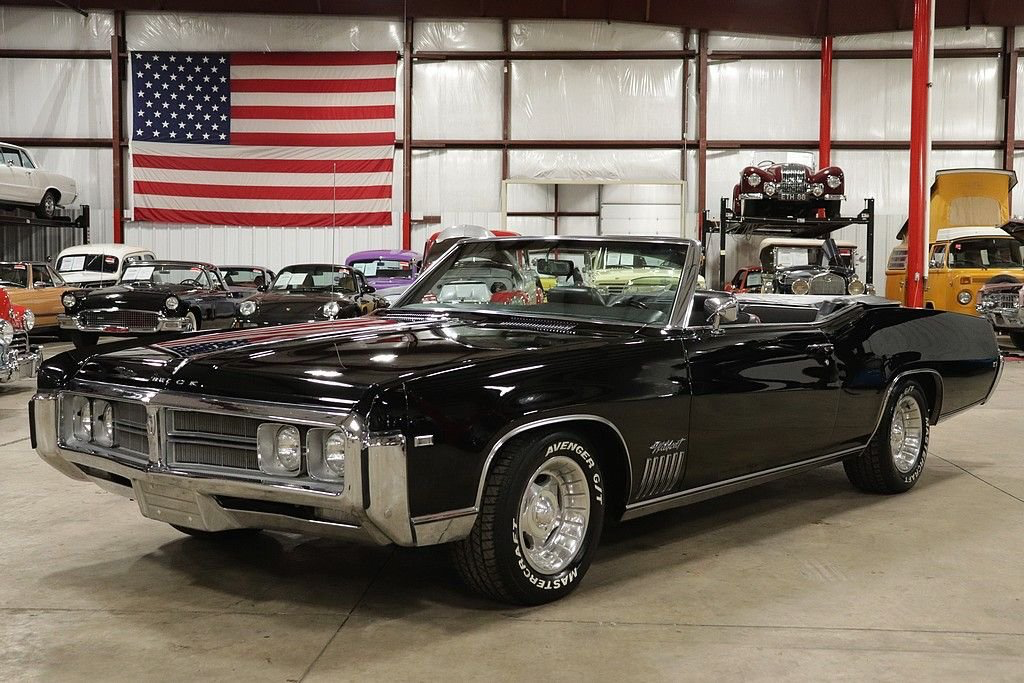
The Wildcat name carried a legacy from Buick’s daring 1950s concept cars: the futuristic Wildcat I (1953), Wildcat II (1954), and Wildcat III (1955). Those experimental dream machines showcased wild styling and innovation, but it took until 1962 for the name to hit production as a sporty variant of the Invicta. By 1969, the Wildcat had evolved into its own full model line within Buick’s B-body family, sharing bones with cars like the Chevrolet Impala and Oldsmobile Delta 88, yet carved out its own personality.
What made the ’69 so interesting? It arrived at a turning point. Buick ditched the earlier fastback roofline for a more formal, squared-off look with flowing chrome spear side trim that stretched from front to rear. The result was a long, low, imposing profile—cleaner and more upscale than many muscle cars, yet still aggressive. Vinyl tops, hidden headlights (on some customs), and that signature Buick waterfall grille gave it presence without screaming for attention.
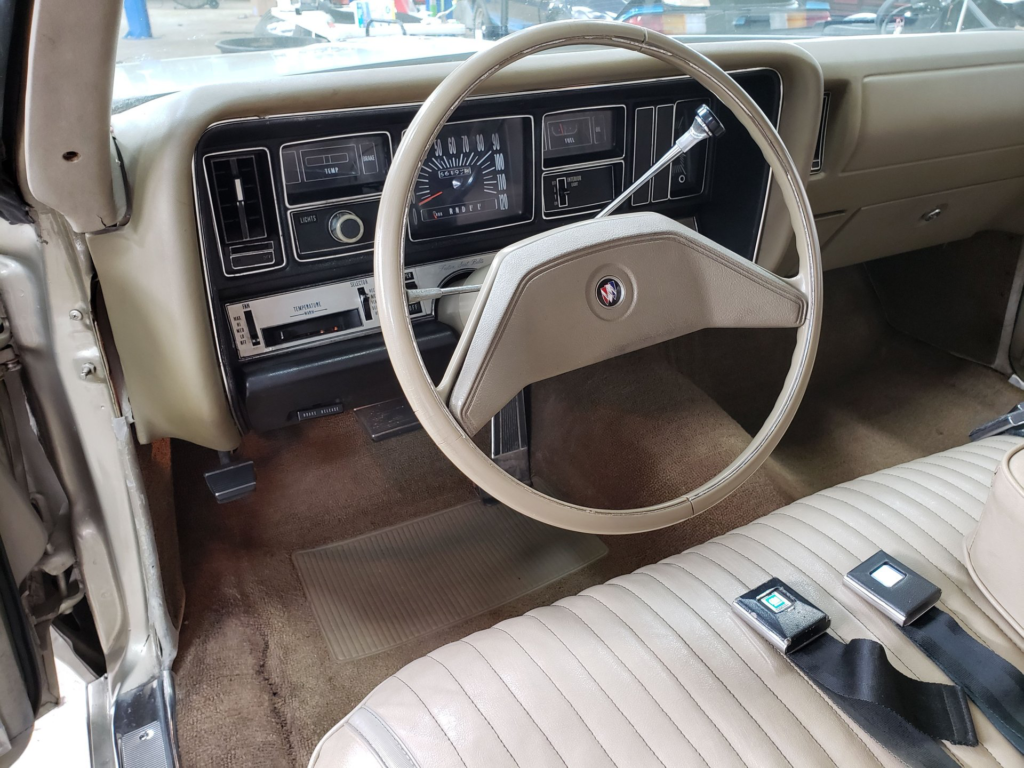
Under the hood sat Buick’s mighty 430 cubic-inch V8, a big-block monster rated at 360 horsepower and a monstrous 475 lb-ft of torque at just 3,200 rpm. Stomp the gas, and the car lunged forward with a deep, authoritative growl that owners still describe as “throwing you back in the seat.” Optional Super Turbine 400 automatic or a rare three-speed manual sent power to the rear wheels, making this 4,000+ pound luxury liner surprisingly quick for its size. It wasn’t a lightweight strip terror like a GTO Judge, but it delivered effortless, neck-snapping acceleration wrapped in Buick’s famous smooth ride.
The interior leaned luxurious: plush bench or bucket seats, woodgrain accents, and an overall vibe of “quiet confidence.” Convertibles, sport coupes, four-door hardtops, and sedans offered variety—only about 2,374 convertibles rolled out that year, making open-air versions especially desirable today.
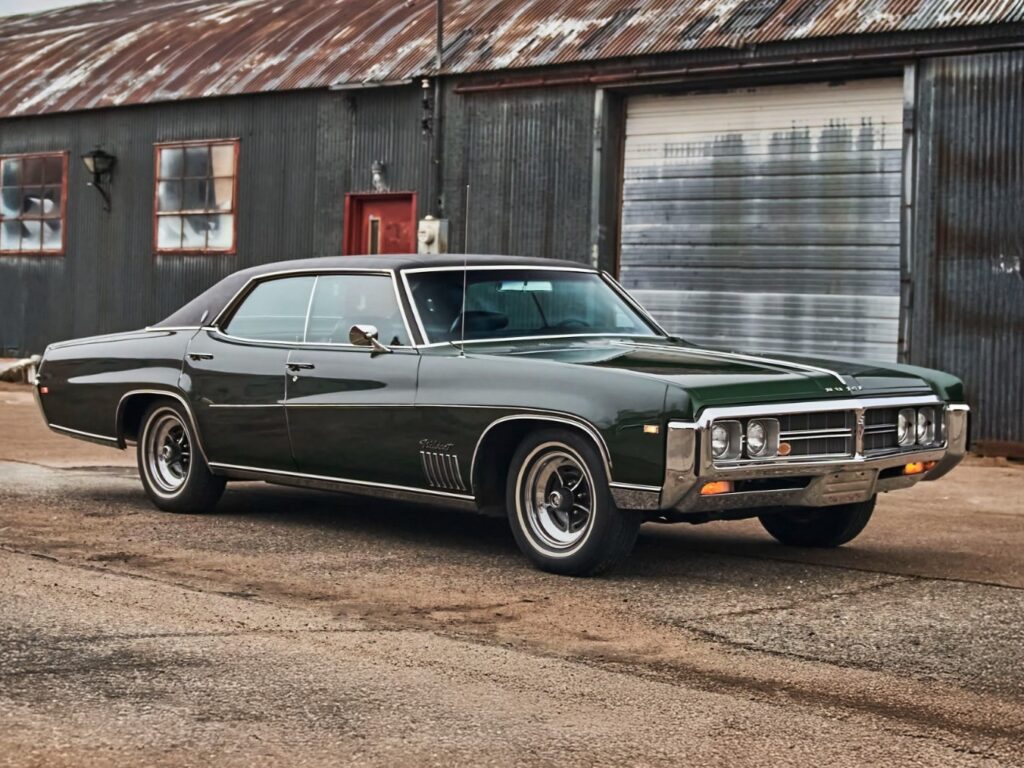
By 1969, the muscle car wars were peaking, but emissions rules and insurance hikes loomed. The Wildcat represented one of the last gasps of unrestricted big-block luxury performance before everything changed. For 1970, Buick bumped output slightly and renamed the engine option “Wildcat 455,” but by 1971, the nameplate vanished, replaced by the Centurion.
Today, surviving 1969 Wildcats—especially low-mileage survivors pulled from barns after decades of storage—remind us of an era when Buick dared to be bold. Not the flashiest, not the most famous, but undeniably one of the coolest: a refined beast that could cruise the boulevard like a gentleman by day and roar like a predator by night.
The 1969 Buick Wildcat didn’t dominate headlines, but it delivered exactly what Buick promised—a wild side beneath polished manners. In the story of American performance cars, it’s the sophisticated outlier that still turns heads and sparks conversations among those who know.